Grand Rapids is known for its breweries, art scene, and strong local businesses—but there’s another powerful story woven into the city’s identity: its vibrant and growing Hispanic food culture. Celebrating Hispanic Food Culture in Grand Rapids means honoring the families, restaurants, markets, and distributors who helped shape the culinary landscape of West Michigan.
From family-run taquerías that opened decades ago to modern Latin American eateries expanding today, Hispanic food has become a cornerstone of the city’s dining and retail scene. For restaurants, supermarkets, taco trucks, and local families, this cultural movement is more than a trend—it’s a lasting transformation.
Let’s take a closer look at the roots, the pioneers, and the bright future of Hispanic cuisine in Grand Rapids.
The Early Roots of Hispanic Food in Grand Rapids
Grand Rapids began seeing significant Hispanic migration in the mid-to-late 20th century. Many families arrived seeking work in agriculture, manufacturing, and construction. With them came cherished family recipes, cooking traditions, and cultural pride.
What started as home kitchens serving traditional dishes for community gatherings gradually evolved into storefront restaurants and grocery markets. These businesses were more than places to eat—they were community anchors.
Authentic dishes like tacos, tamales, menudo, pozole, pupusas, and fresh pan dulce became staples not just for Hispanic families but for the broader West Michigan population.
Grand Rapids’ Oldest and Most Influential Hispanic Restaurants:
Tacos El Cuñado

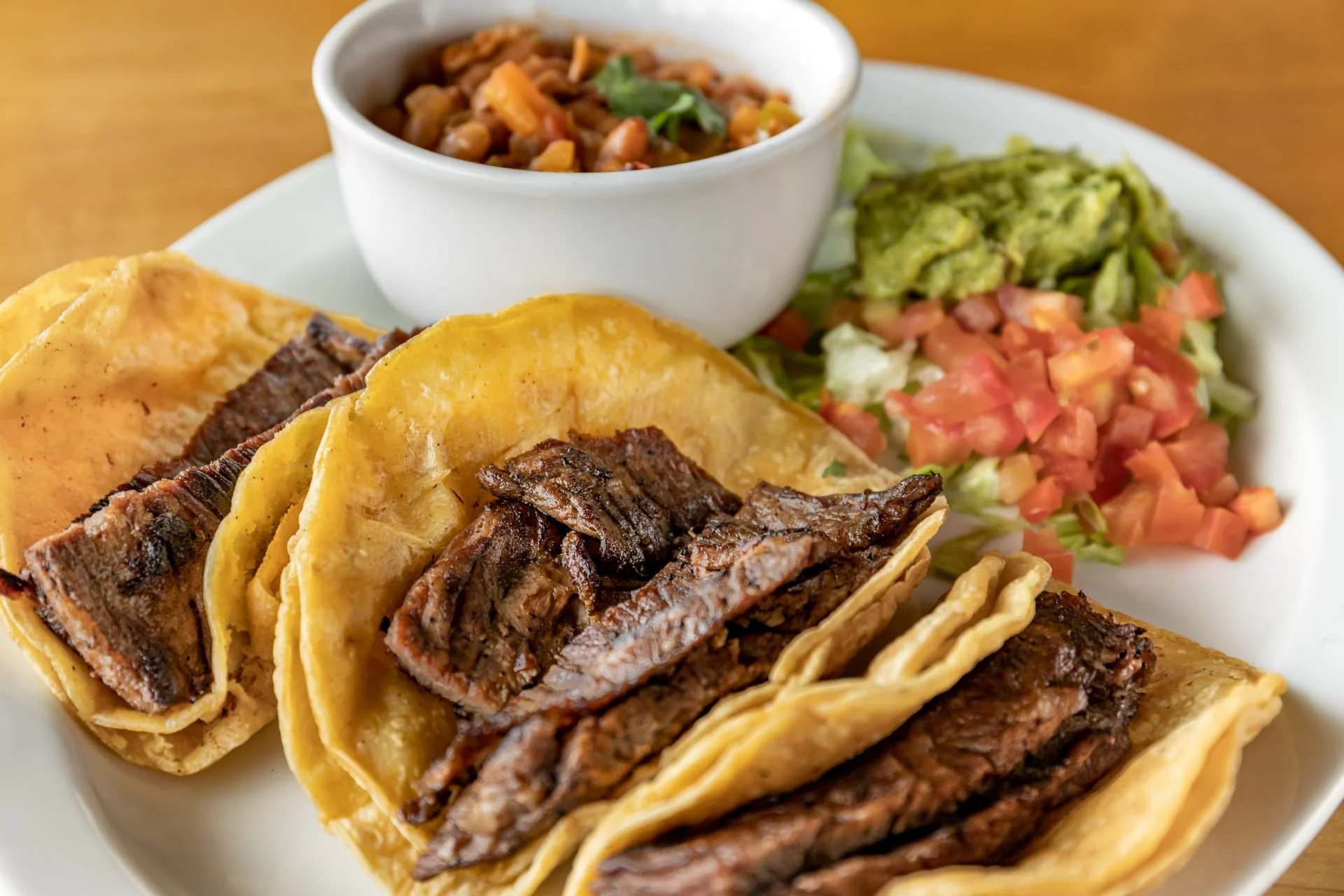

Founded in the early 2000s, Tacos El Cuñado quickly became a cornerstone of authentic Mexican street food in Grand Rapids. Known for its traditional tacos served on corn tortillas with fresh cilantro and onions, this family-run establishment expanded into multiple locations across the city.
For many locals, this was their first introduction to truly authentic Mexican tacos—not Tex-Mex, not fusion, but genuine street-style flavor. Today, it remains one of the most recognized Hispanic restaurant brands in the area.
Maggie’s Kitchen
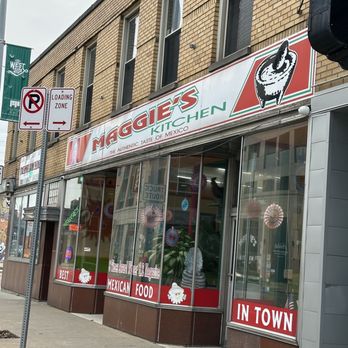
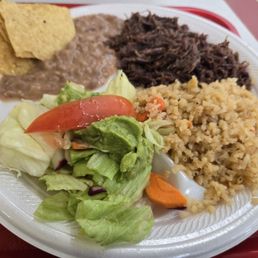

Maggie’s Kitchen has long been celebrated for its warm hospitality and traditional Mexican comfort food. Known especially for breakfast dishes and hearty family meals, it represents the heart of multi-generational Hispanic cooking in West Michigan.
Restaurants like Maggie’s helped build trust and familiarity with authentic cuisine, paving the way for the broader acceptance and growth of Hispanic food culture in Grand Rapids.
El Granjero Mexican Grill
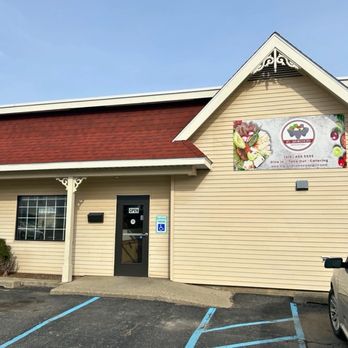

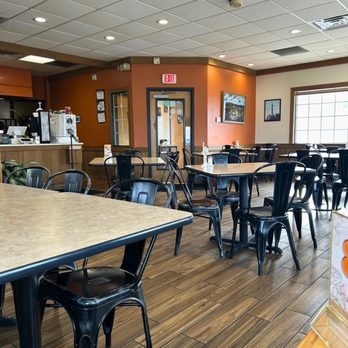
As one of the early Mexican grills serving traditional dishes in a casual setting, El Granjero brought consistent, affordable Mexican food to families across the city. Its longevity demonstrates the strong and steady demand for authentic Hispanic cuisine in Grand Rapids.
Beyond Restaurants: The Rise of Hispanic Grocery Stores and Markets
As demand grew, so did the need for specialty ingredients. Local supermercados began offering products like:
- Fresh masa and corn tortillas
- Dried chiles and spices
- Latin American beverages
- Specialty cheeses and crema
- Imported pantry staples
These stores serve both Hispanic families seeking tastes of home and restaurants sourcing authentic ingredients.
For B2B buyers—restaurants, supermarkets, taco trucks—having reliable access to authentic products has become critical. The ability to maintain consistent flavor and quality depends heavily on dependable distribution partners.
The Economic Impact of Hispanic Food Businesses in West Michigan
Hispanic-owned food businesses have created:
- Hundreds of local jobs
- Entrepreneurial pathways for immigrant families
- Increased tourism and cultural events
- Expanded product diversity in grocery stores
Today, Hispanic cuisine is no longer a niche category—it’s a mainstream demand driver.
Restaurants that once carried a small “international” section now dedicate entire menus or grocery aisles to Latin American products. Consumer demand continues to rise, especially among younger generations seeking authentic and bold flavors.
Why Celebrating Hispanic Food Culture in Grand Rapids Matters for Businesses
For restaurant owners, supermarket buyers, and food entrepreneurs, understanding this cultural history isn’t just sentimental—it’s strategic.
Here’s why:
1. Authenticity Builds Loyalty
Customers can taste the difference between authentic ingredients and substitutes. Restaurants that invest in genuine products build repeat business.
2. Cultural Respect Builds Trust
Supporting Hispanic-owned businesses and recognizing their contributions strengthens community ties.
3. Demand Is Growing
Latino cuisine continues to be one of the fastest-growing food categories nationwide.
4. Consistency Drives Profitability
Reliable supply chains ensure menus stay consistent and shelves remain stocked.
The Role of Distributors in Preserving Food Culture
Behind every successful Hispanic restaurant or grocery store is a reliable supply network. Distributors play a quiet but powerful role in keeping traditions alive.
By sourcing authentic products, maintaining inventory, and supporting local businesses, distributors help preserve culinary heritage while driving economic growth.
For restaurants and supermarkets in Grand Rapids, partnering with a knowledgeable Hispanic food distributor ensures:
- Access to trusted brands
- Competitive wholesale pricing
- Efficient logistics
- Local customer support
Food culture thrives when the entire ecosystem works together—from farmers and importers to distributors and restaurant kitchens.
Community Events and Cultural Celebrations
Grand Rapids continues to host cultural festivals, food truck gatherings, and Hispanic heritage events that spotlight Latin cuisine. These celebrations bring together families, entrepreneurs, and food lovers.
They also provide opportunities for restaurants and suppliers to:
- Showcase new menu items
- Introduce specialty ingredients
- Connect with new customers
- Strengthen brand visibility
When the community celebrates together, everyone benefits.
Celebrating Hispanic Food Culture in Grand Rapids means recognizing the pioneers who opened the first family-run kitchens, the grocery stores that supplied essential ingredients, and the businesses that continue to innovate today.
Hispanic cuisine is no longer an emerging trend—it is an established and thriving pillar of West Michigan’s culinary identity. For restaurants, supermarkets, taco trucks, and families alike, the flavors of Latin America are here to stay.
As the community grows, so does the opportunity to honor tradition while embracing innovation. When businesses invest in authenticity, reliability, and cultural respect, they don’t just sell food—they help preserve heritage.
Frequently Asked Questions (FAQs)
1. What are some of the oldest Hispanic restaurants in Grand Rapids?
Restaurants like Tacos El Cuñado, Maggie’s Kitchen, and El Granjero Mexican Grill are among the longstanding establishments that helped shape the city’s Hispanic food scene.
2. Why is Hispanic cuisine growing so quickly in Michigan?
Consumer demand for authentic flavors, demographic growth, and increased cultural appreciation have fueled rapid expansion.
3. How can supermarkets better serve Hispanic customers?
By stocking authentic ingredients, expanding product variety, and partnering with knowledgeable distributors.
4. What makes authentic Mexican food different from Tex-Mex?
Authentic Mexican cuisine relies on traditional cooking methods, fresh corn tortillas, regional chiles, and time-honored recipes.
5. How do distributors support local Hispanic restaurants?
They ensure consistent product availability, competitive pricing, and reliable delivery schedules.
6. Why is celebrating Hispanic food culture important?
It honors history, supports economic growth, and strengthens community identity.